

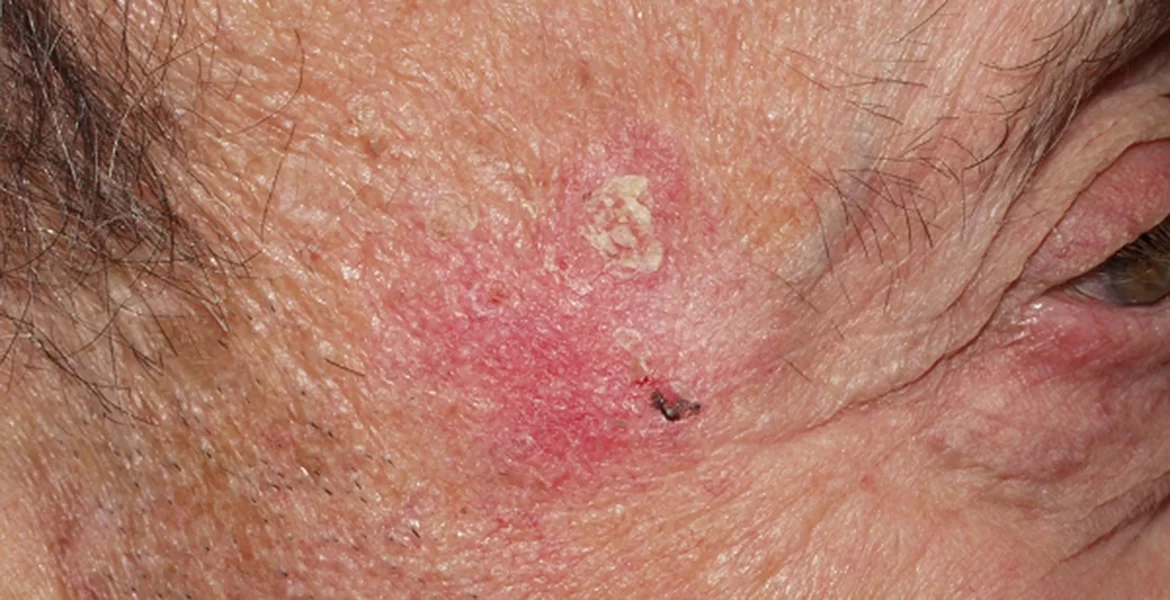
Actinic Keratoses: What Are They and How Can We Prevent Them?
The skin is the largest organ of the human body and, often, the most neglected. As a dermatologist, I frequently see patients concerned about small, rough, scaly spots that appear especially in areas most exposed to the sun, such as the face, scalp, neck, and hands. These spots, known as actinic keratoses, may seem harmless at first glance, but they represent an important warning: the skin is suffering from accumulated sun damage, and if left untreated, some of these lesions may progress to skin cancer.
What is Actinic Keratosis?
Actinic keratosis, also known as solar keratosis, is a precancerous skin lesion caused by chronic exposure to ultraviolet (UV) radiation from the sun or artificial sources such as tanning beds. These lesions arise due to cellular changes caused by DNA damage from UV rays.
Initially, they may present as small reddish or brownish spots with a rough surface, often described by patients as feeling like "sandpaper." Although they may seem insignificant, the truth is that about 5 to 10% of actinic keratoses have the potential to develop into squamous cell carcinoma, a type of skin cancer that can be aggressive.
Risk Factors
Not everyone has the same risk of developing actinic keratoses. Some factors significantly increase the likelihood of these lesions appearing:
- Prolonged and frequent sun exposure
- Fair skin, light eyes, and blonde or red hair
- Advanced age
- Weakened immune system
- Personal or family history of skin cancer
Additionally, men tend to be more affected than women, probably due to greater sun exposure related to professional or recreational activities.
How to Identify Actinic Keratosis?
One of the main reasons to see a dermatologist in Porto is the early detection of actinic keratoses. These lesions can vary from person to person but generally have the following characteristics:
- Rough, scaly patches or plaques
- Reddish, brown, or skin-colored appearance
- A stinging or itching sensation
- Common areas: face, ears, scalp (especially in bald individuals), backs of the hands, and forearms
If you notice any skin changes that do not disappear after a few weeks, it is essential to consult a dermatology specialist.
Diagnosis and Treatment
The diagnosis of actinic keratosis is usually clinical, performed through a careful observation by a dermatologist. In some cases, a biopsy may be necessary to confirm the nature of the lesion and rule out other conditions.
Regarding treatment, several options are available depending on the number, location, and characteristics of the lesions:
- Cryotherapy: Application of liquid nitrogen to destroy abnormal cells.
- Topical creams: Such as 5-fluorouracil or imiquimod, which help eliminate lesions.
- Photodynamic Therapy (PDT): Uses a photosensitizing agent and light to destroy abnormal cells.
- Curettage: Mechanical removal of the lesion with a curette.
- Co2 Laser
Each case is unique and must be individually assessed to determine the most appropriate treatment.
Prevention: The Fundamental Role of Sunscreen
The best approach against actinic keratosis is undoubtedly prevention. As a dermatologist, I always recommend the following preventive measures:
- Daily use of sunscreen with a minimum SPF of 50.
- Avoid sun exposure during peak hours (11 am–4 pm).
- Wear wide-brimmed hats and protective clothing.
- Perform regular skin self-examinations.
- Annual dermatological check-ups for screening.
Remember that sun damage is cumulative. Even if signs are not visible now, years of sun exposure leave marks that may appear later.
Conclusion
Actinic keratosis can be silent but should not be ignored. As a specialist in dermatology, I always emphasize the importance of prevention and early diagnosis. Protecting the skin is not just a matter of aesthetics but also of health.
If you notice any suspicious lesion or have questions about your skin's health, schedule an appointment. Your skin deserves specialized attention and care.
Dr. Pedro Vilas Boas
Dermatologist in Vila do Conde, Porto
Specialist in Skin Cancer Diagnosis and Treatment